
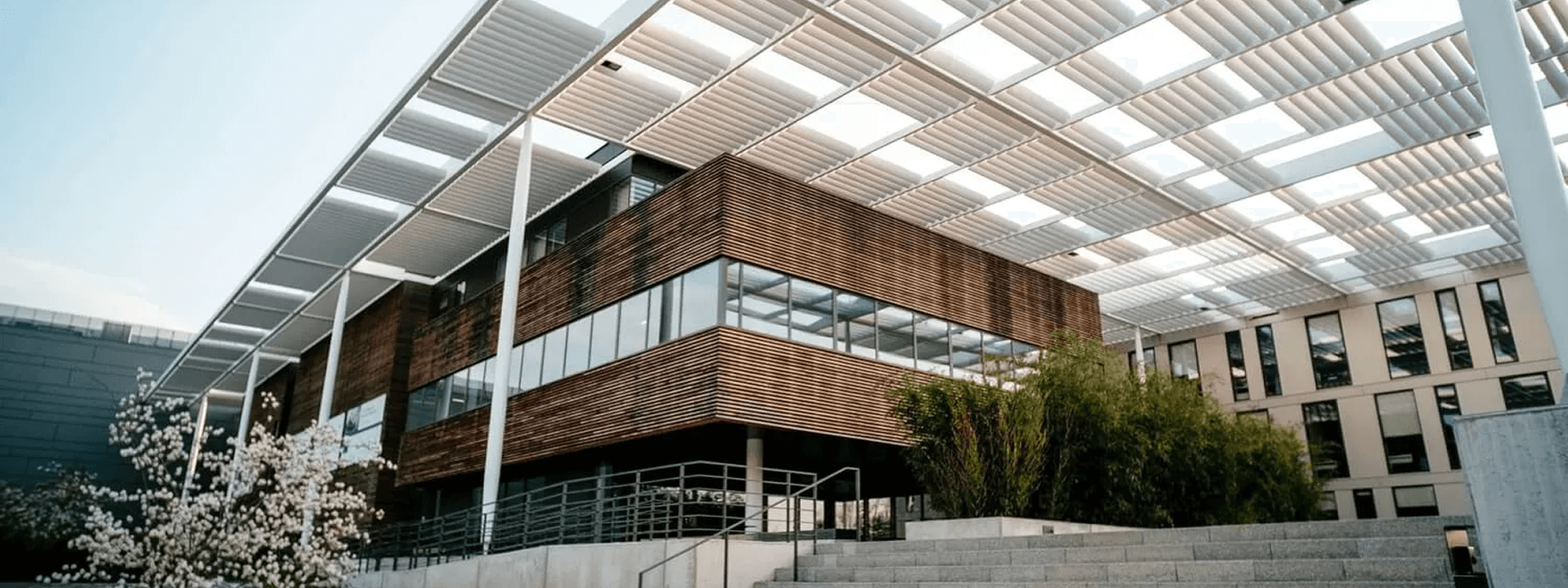
Architecture isn’t just about constructing buildings—it’s about shaping human experiences. The spaces we live, work, and gather in have a direct influence on our lifestyle, physical health, and mental well-being. From the way natural light enters a room to the materials chosen for walls and finishes, every detail affects how people feel and function. By prioritizing sustainable and human-centered design, architecture has the power to create environments that encourage healthier, happier, and more meaningful lives.
Highlights:
- Architecture and Mental Well-being : - The spaces we inhabit profoundly shape our emotions and state of mind. Sunlight regulates circadian rhythms, improves sleep, and boosts serotonin levels, creating uplifting atmospheres that promote mental clarity. Biophilic design elements such as greenery, water features, and natural views reduce stress and improve focus, while high ceilings and uncluttered layouts evoke calmness and openness. Colors and textures also play a vital role, with earthy tones and natural materials creating warmth, and thoughtful acoustics ensuring quiet, stress-free environments. Architecture also balances privacy and community, offering solitude when needed and social spaces for connection. Ultimately, architecture acts as an invisible therapist, quietly supporting mental resilience and emotional well-being.
- Physical Health through Design : - Architecture serves as a silent healthcare provider by shaping the physical conditions in which we live. Designs that encourage movement—such as walkable layouts, jogging tracks, and inviting staircases—naturally integrate fitness into daily routines. Ventilation and air circulation improve respiratory health, while access to natural light prevents Vitamin D deficiency and strengthens immunity. Material choices are equally important: non-toxic finishes and eco-friendly products reduce exposure to harmful chemicals, while thermal comfort through insulation and passive cooling protects the body from climate extremes. Hygienic sanitation systems ensure clean water and safe living conditions, and inclusive features like ramps and non-slip flooring prevent accidents, especially for the elderly and differently abled. In short, well-designed spaces actively promote physical health, while poor design silently contributes to illness.
- Social Interaction and Lifestyle : - Architecture not only shapes physical environments but also molds the way communities connect and thrive. Public spaces such as plazas, parks, and cultural centers become natural hubs for interaction, bringing people of all ages together. In residential neighborhoods, courtyards, gardens, and play areas foster relationships and reduce loneliness, while in workplaces, open layouts and collaborative zones encourage teamwork and creativity. Retail, cultural, and recreational venues are more than buildings—they are lifestyle experiences shaped by design. Truly inclusive architecture also considers accessibility, gender sensitivity, and cultural identity, ensuring everyone feels welcome. Even urban planning—like pedestrian-friendly streets and accessible transit—encourages casual encounters that strengthen social ties. Through these elements, architecture becomes the backbone of social well-being, creating communities that are lively, connected, and humane.
- Work-Life Balance through Design : - In an era where professional and personal boundaries often blur, architecture plays a key role in restoring balance. Homes now function as offices, gyms, and classrooms, and designs that integrate quiet, light-filled workspaces help maintain focus without disrupting family life. Clear separation between work and rest zones prevents burnout, while corporate offices with wellness-focused layouts—such as meditation pods, breakout zones, and biophilic elements—support employee health and productivity. Fitness amenities like rooftop gardens, walking tracks, or yoga terraces within residential and office complexes integrate well-being into everyday routines. Smart technologies, from adaptive lighting to temperature control, further enhance comfort. On an urban scale, mixed-use developments save time and reduce commuting stress, allowing people to spend more time with family. Through these strategies, architecture becomes a partner in lifestyle management, ensuring work enhances rather than overshadows life.
- Architecture as Preventive Healthcare : - Thoughtful architecture can prevent health problems before they arise, functioning as a form of silent preventive medicine. Sunlight access strengthens immunity and prevents depression, while walkable layouts and active neighborhoods lower risks of obesity, diabetes, and cardiovascular disease. Ergonomic design and stress-free environments reduce musculoskeletal issues, while ventilation systems, breathable materials, and green elements improve air quality. Hygienic plumbing, drainage, and waste systems help prevent infections and waterborne diseases, while disaster-resilient features like earthquake-safe structures and fire-proof materials safeguard lives during crises. Preventive healthcare also extends to mental health, with quiet zones, nature views, and community spaces reducing anxiety and stress. In this way, architecture quietly reduces reliance on medical interventions by embedding health into daily living.
- Conclusion : - The impact of architecture on lifestyle and health is undeniable. Thoughtful, human-centered, and sustainable design enriches everyday life—physically, mentally, and socially. At ARVIES GROUP, we believe architecture is not just about constructing structures, but about building healthier lifestyles, stronger communities, and resilient futures.
Top